PSEAH & misconduct investigations
Independent, trauma-informed investigations into sexual exploitation, abuse, harassment and behavioural misconduct — from intake to a report you can act on.
Investigations · Safeguarding · International Compliance
Combining 13+ years of global field experience with 6+ years of dedicated practice in sensitive and complex investigations (misconduct, fraud, PSEAH). I deliver the objective fact-finding and trauma-informed evidence that Boards and donors require for full operational certainty.
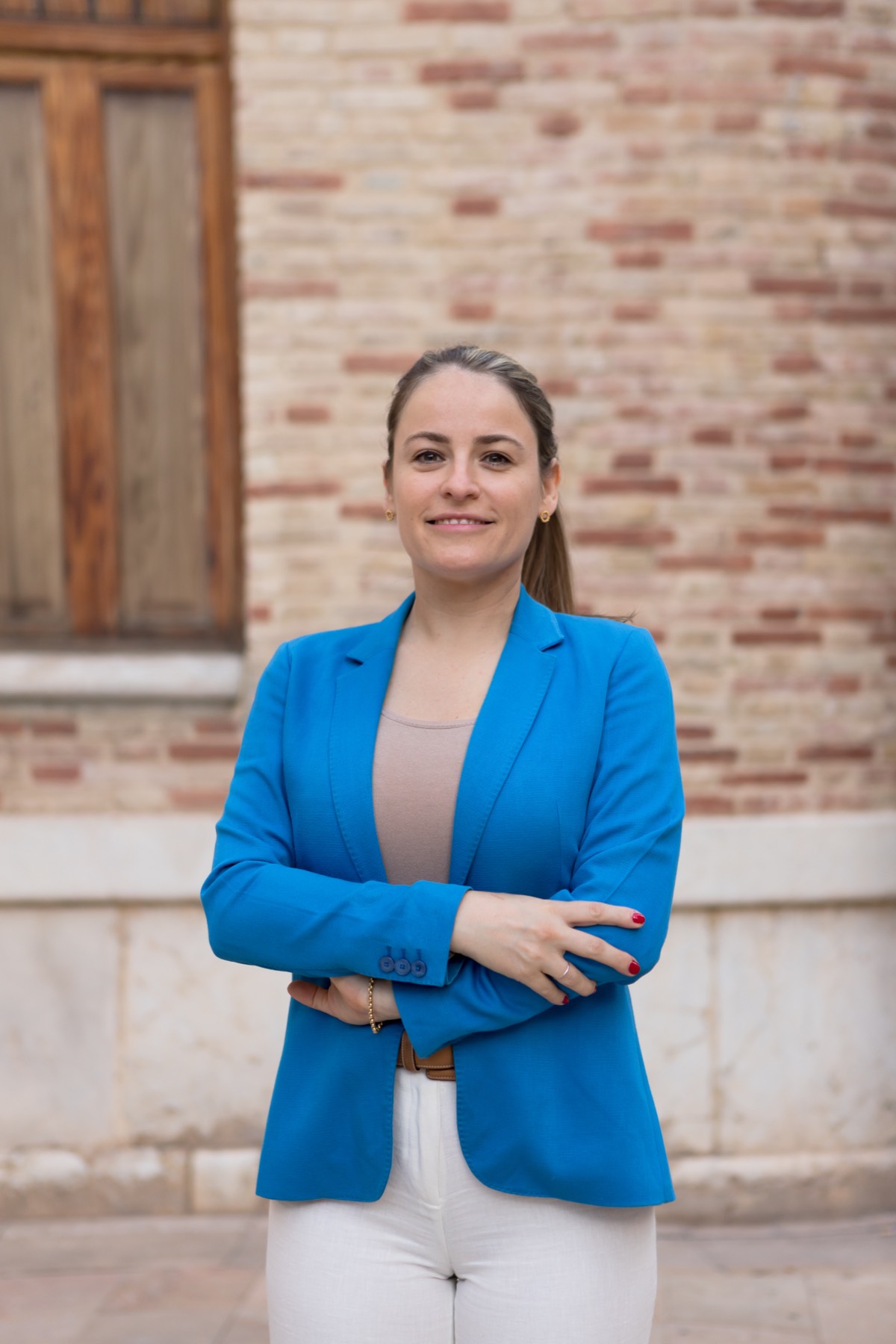
CHS Alliance qualified investigator
Tier 1 · 2 · 3 — Certified
Services
From a single sensitive investigation to a full safeguarding framework — engagements tailored to your context, remote or on site.
Independent, trauma-informed investigations into sexual exploitation, abuse, harassment and behavioural misconduct — from intake to a report you can act on.
Discreet fact-finding into fraud and corruption allegations: case intake, evidence analysis and clear findings that stand up to scrutiny — yours and your donors'.
Policies, advisory memos and whistleblowing mechanisms that strengthen organizational integrity and meet the expectations of boards and donors.
Practical training on investigative techniques and PSEAH for focal points, managers and field teams — designed and delivered in English, French or Spanish.
Independent quality assurance of your safeguarding policies, codes of conduct and learning resources — so they work in practice, not just on paper.
End-to-end management of humanitarian and health projects: Prince 2 methodology, change management, risk matrices and stakeholder coordination.
Every engagement is handled with strict confidentiality. Click a service to start the conversation.
How we work
Tell me about your situation — free of charge and in full confidence. I reply within 48 hours.
A clear scope, methodology, timeline and transparent fee — agreed together before any work begins.
Remote or deployed to the field: evidence-based, trauma-informed work with regular check-ins at the pace your case requires.
Actionable findings and recommendations — plus support to implement them and strengthen your organization for the future.
Confidentiality, first and always. Survivor-centred and trauma-informed methodologies, secure handling of evidence and data, and independence at every step of the process.
Why work with me
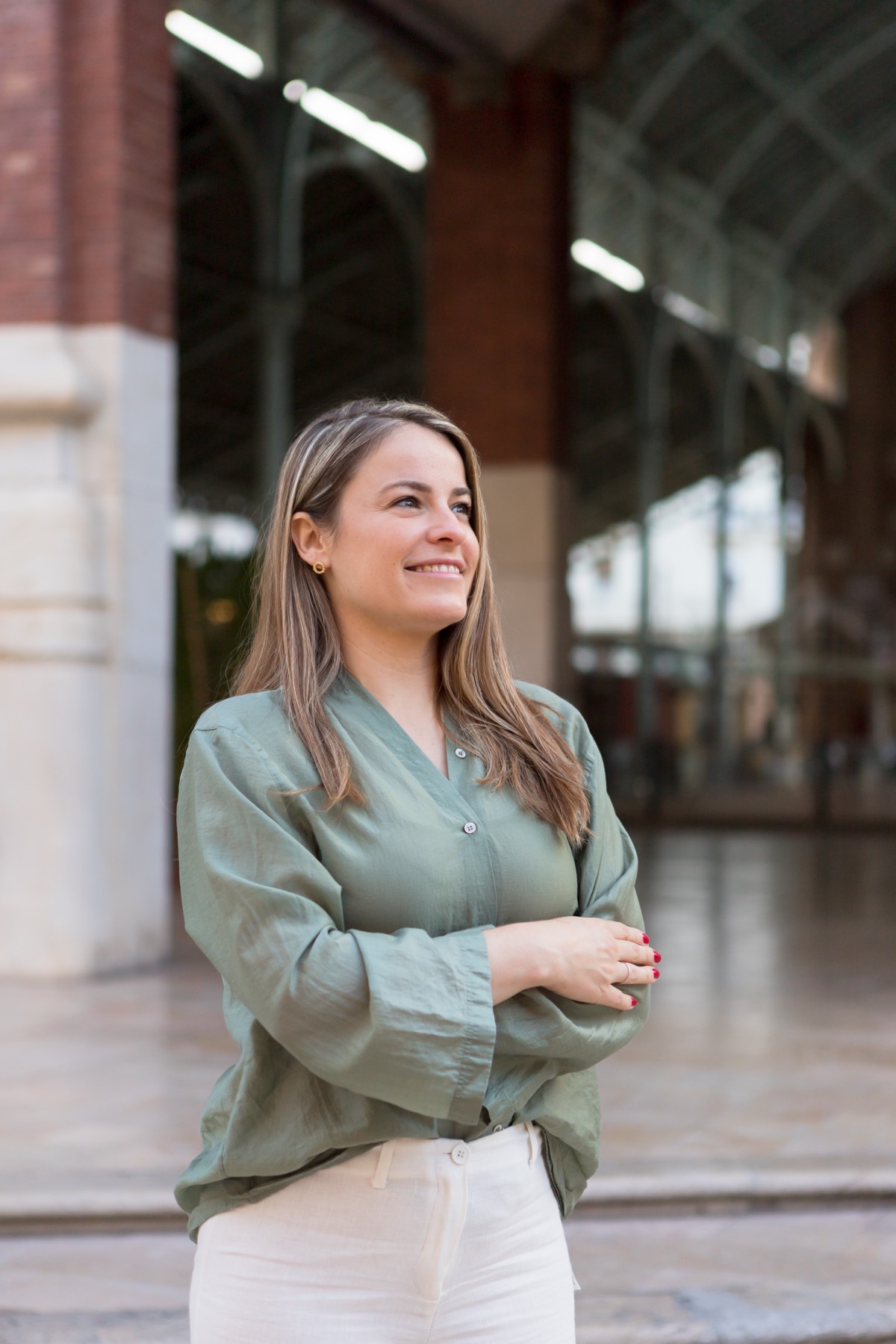
I've spent 13+ years inside the organizations I now serve — ICRC, MSF, UNFPA, UNICEF, university hospitals and business schools — across HR, finance, investigations, safeguarding and programme management. I know how misconduct cases feel from the inside, and what it takes to resolve them properly.
That means investigations that respect both the people involved and the realities of field operations — delivered with the independence, discretion and analytical rigour your board and donors expect.
Track record
A career built across UN agencies, NGOs, hospitals and the private sector — in headquarters and in the field.
Qualifications
Human Rights — Bioethics, History, Philosophy, Sociology
Saint Louis University, Brussels, Belgium
Business Management
Burgundy School of Business, Dijon, France
International Studies
FU-JEN University, Taipei, Taiwan
Sociology of Organizations
Paris 12 University, France
CHS Alliance
2022 · 2023 · 2024
Ethics Vision International
London — May 2025
UNICEF
July & November 2024
UNFPA
July 2024
UNDSS
July 2024
FAQ
Straight answers to what Boards and legal teams ask before an engagement.
When allegations carry high legal, financial, or reputational risks, securing external expertise is a critical safeguarding measure. It is also essential when a real or perceived conflict of interest arises, or if the organization lacks dedicated in-house resources trained to handle complex inquiries without disrupting daily operations.
Investigative work requires highly specialized techniques (evidence preservation, forensic interviewing) that HR and Legal teams may not have the capacity or specific training to perform. And if the team investigating is also responsible for recommending or deciding on administrative actions, it creates a conflict of interest that weakens the credibility of the entire process. Leaving investigations to untrained staff can severely damage both the case and operational trust.
It is a specialized interviewing methodology that prioritizes the psychological safety and dignity of all participants. By mitigating stress and preventing re-traumatization, this human-centred practice fosters the trust required to elicit highly accurate disclosures and gather defensible evidence.
My primary commitment is the objectivity, rigour and defensibility of the investigation. If I am temporarily unavailable, if the context requires a specific language I don't master, or if the case demands highly specialized skills (digital forensics, complex financial-data auditing, or cybercrime investigation), I draw on my international network of trusted investigators and certified experts (forensic specialists, survivor-care professionals, legal advisors) — to refer you to the right colleague or bring them in to secure the integrity of your procedure.
To guarantee a robust, ethical and legally defensible process aligned with international standards, several core best practices must be observed:
The final decision rests solely with the designated Decision-Making Authority (DMA) or committee defined in advance by the client organization. This strict separation of duties is both operational and legal:
Clarity, transparency and procedural predictability are vital to a fair and defensible process. Interview rules are structured as follows:
Contact
Whether you're facing a sensitive case right now or strengthening your safeguards for the future — the first conversation is free and confidential.
I usually reply within 48 hours.
Global footprint
21 countries across four continents — on-site deployments and remote investigations, in three languages.